Welkom bij Trijntje Fopkunst: een hommage en een gesamtkunstwerk. Ruim 100 lichte gedichten met als clou een bekende kunstenaar en/of een bekend kunstwerk, passend geïllustreerd. De serie is een eerbetoon aan alle kunstenaars die mij bijzonder inspireren en hebben geïnspireerd. Per pagina ongeveer 10 gedichten, dit is pagina 6.
op n kogelvis
ko kogelvis dweept met death metal muziek
en zingt elke nacht ook al is i nu ziek:
we gaan naar buiten
waar de kogeltjes fluiten
`niet' glimlacht ko `dat k machteloos toezie
want mn brancard is voorzien van n uzi'
en waarom gegaan over 1 nachtje dooien?
zo telt zn brancuzi al 7 octrooien
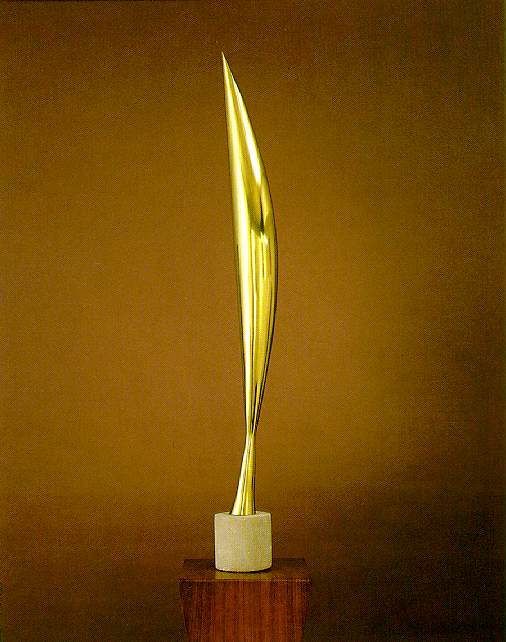
Constantin Brâncuşi, bird in space

Utagawa Hiroshige, kogelvis en geelvinmakreel
`We gaan naar buiten, waar de vogeltjes fluiten
Waar t zonnetje zo heerlijk schijnt
Waar de koetjes zoetjes loeien, de prinsesseboontjes groeien
en waar al je misère verdwijnt':
lied van Wim Sonneveld, cabaretier.
uzi: automatisch geweer; death metal: extreme heavy metal; de kogelvis is een
zeer dodelijke vis, vanwege extreme giftigheid
(in Japan is fugu een delicatesse die alleen door gediplomeerde koks mag worden bereid).
op n faraomier en n schotse herdershond
franka faraomier zoekt in gizeh naar schnabbels
alleen heeft i last van onleesbare krabbels:
`daaro en hiero- kzie overal gliefen!
waar is de uitgang voor eerlijke dieven?'
`why' vraagt zn partner-in-crime, collie sean
`don't we ask marcel duchampollion?'
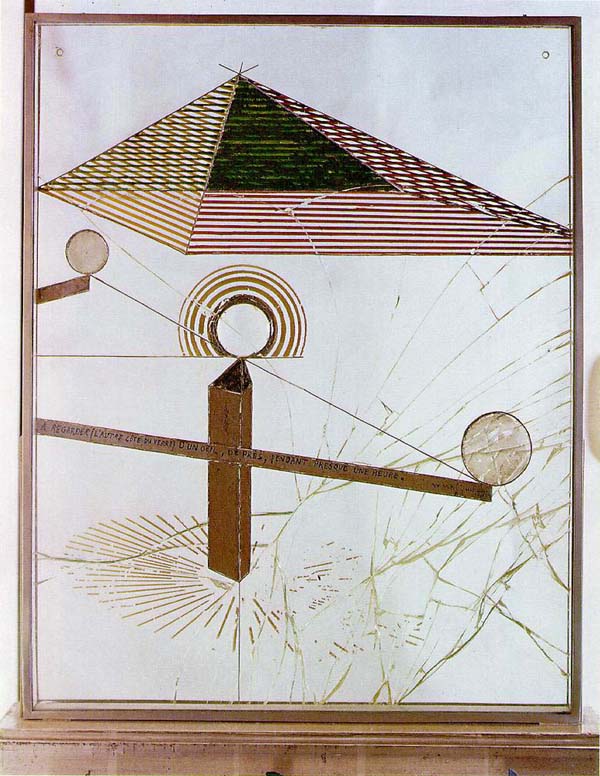
Marcel Duchamp, to be looked at (from the other side of the glass) with one eye, close to, for almost an hour
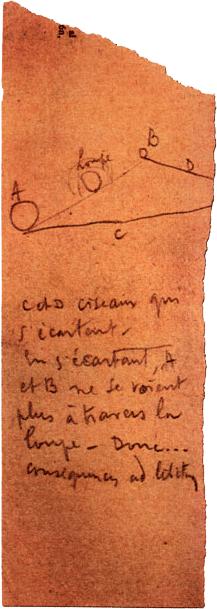
Marcel Duchamp, notitie over bovenstaand werk to be looked at ..., zie hier voor een uitgebreid verhaal over Duchamp en piramides door David Shambroom.
Jean-François Champollion: Franse egyptoloog, ontcijferde m.b.v. de steen van Rosetta
eindelijk het hiëroglyfenschrift der oude Egyptenaren; collie = schotse herdershond; `Sean' (rijmt op `dawn') is n vorm van `John',
afgeleid van het Ierse `Séan' hetwelk weer afgeleid schijnt te zijn van het Franse `Jean'... kunt u het nog volgen?
De pyramides moesten bescherming bieden tegen grafrovers, en soms zijn er bij de ingang van de grafruimte vervloekingen in hiëroglyfen aangebracht
tegen allen die de rust van de begravenen komen verstoren. Zie bijv. dit
artikel in de Telegraph uit 2007.
op n rog
n mannetjesrog mag graag vrouwtjesrogkleren
niet dragen alleen maar ook fotograferen
`k heb iets bizonders met rokken die golven
hoewel dat wel voer is voor roddelperswolven
maar roggenbroodwinning draait vaak om je entree
-althans in de filmbiz' lacht morilon manray
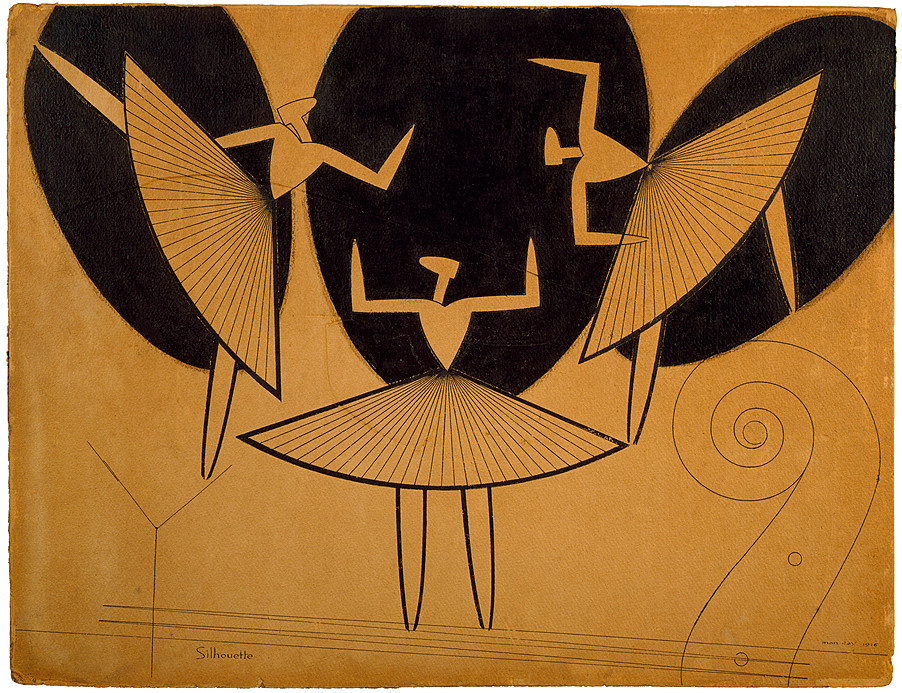
Man Ray, Silhouette
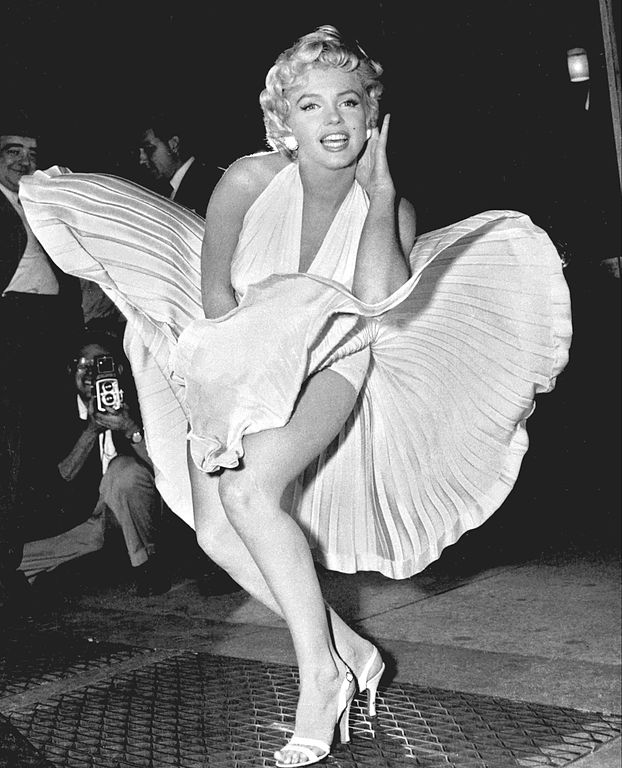

Marilyn Monroe poseert voor fotografen rondom het filmen van de subway scène in the seven year itch (foto: Sam Shaw).
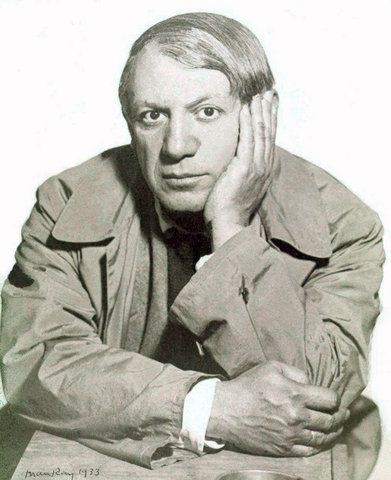
Man Ray, portret van Picasso.
ray = rog.
op n tyrannosaurus rex
had pauw johannes paulus seks
met rex tyrannosaurus rex?
`burgers die die onzin mailden
baalden van mn bronzen beelden
met jeepee vree n minotaurus
-niet ik' zucht rex rodinosaurus
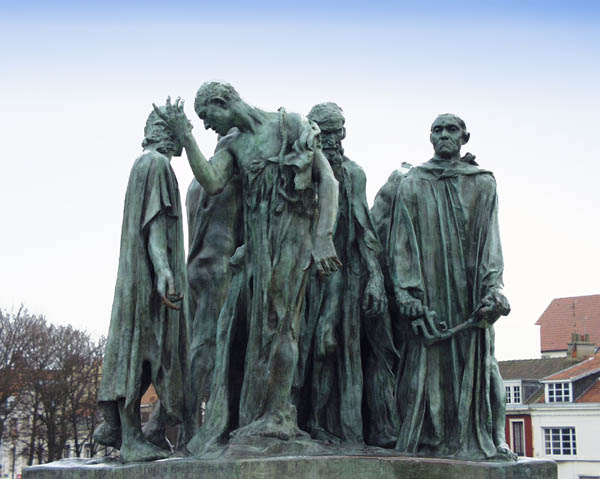
Auguste Rodin, de burgers van Calais
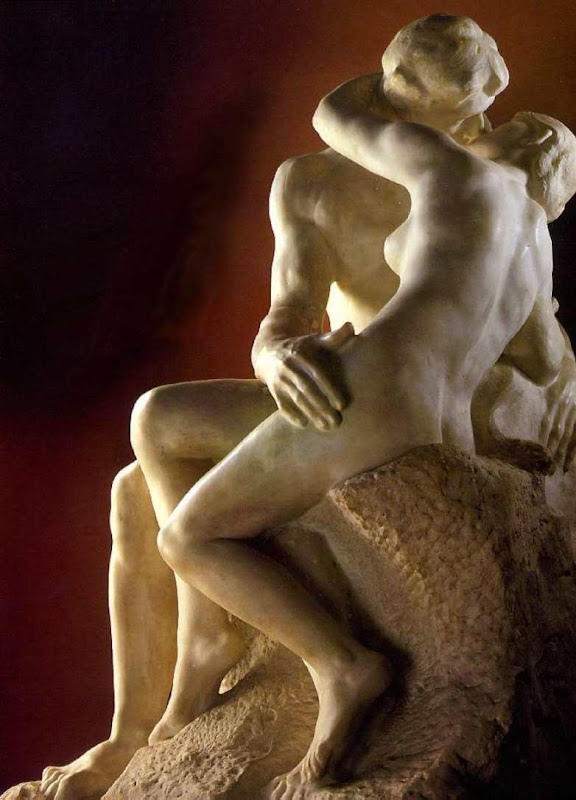
Auguste Rodin, de kus
Tyrannosaurus Rex: monsterdinosaurus; Minotaurus: mythologisch monster dat het Labyrinth van Knossos bewoonde.
op n dodo en n putter
snottert n dodo op zonnig mauritius:
`kent u t puttertje carel fabritius?
portretteert vogels, en wat is t mooie:
kijk ns hoe knap i t licht laat verstrooien
zn aantal tinten karmozijn
kon 13 in 1 dodo zijn!
waarom k huil? door n bom van n schutter
stierf deze kunstenaarsmannetjesputter...'
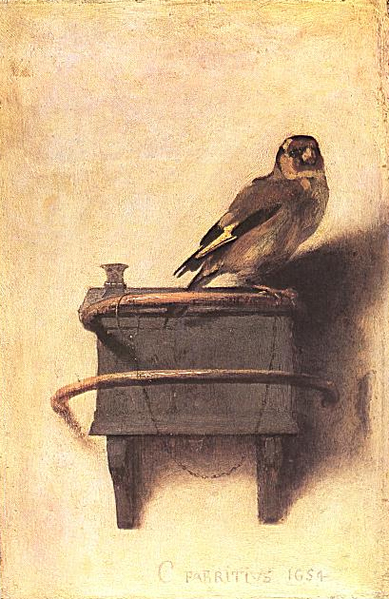
Carel Fabritius, het puttertje
Fabritius' the goldfinch (1654) shows
his use of cool colour harmonies, delicate lighting effects, and a light
background. Of all Rembrandt's pupils, Fabritius was the only one to develop his own artistic style.
A typical Rembrandt portrait would have a plain dark background with the subject defined by spotlighting.
In contrast, Fabritius' portraits feature delicately lit subjects against light-coloured, textured backgrounds.
Moving away from the Renaissance focus on iconography,
Fabritius became interested in the technical aspects of painting. He used cool colour harmonies to create shape in a
luminarist style of painting. (bron: Wikipedia).
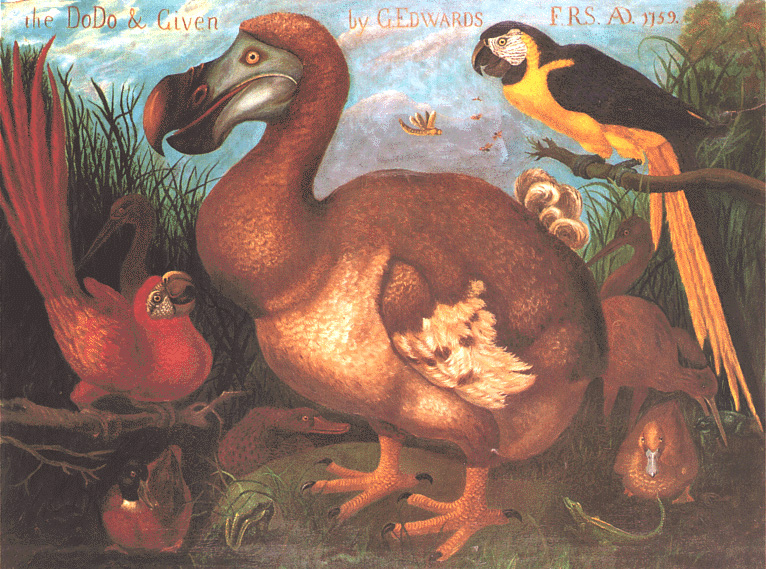
G. Edwards, the Dodo & given
Dodo: uitgestorven vogel op Mauritius (door Nederlanders ontdekt en naar Prins Maurits genoemd eiland); Carel Fabritius kwam om door een explosie in een kruitopslag, ten tijde van Prins Maurits. `Het puttertje' hangt in het Mauritshuis, Den Haag.
op n vos en n raaf
n sluwe vos hoorde in persingen
n raaf nogal zuur n oud vers zingen
`denk niet' spoog de raaf `dat de kaas in mn snavel
door t zingen terechtkomen zal in uw wafel!
al bijtend zuur zingen kwam onder mn knie
door etsles van meester gustave dorémi'
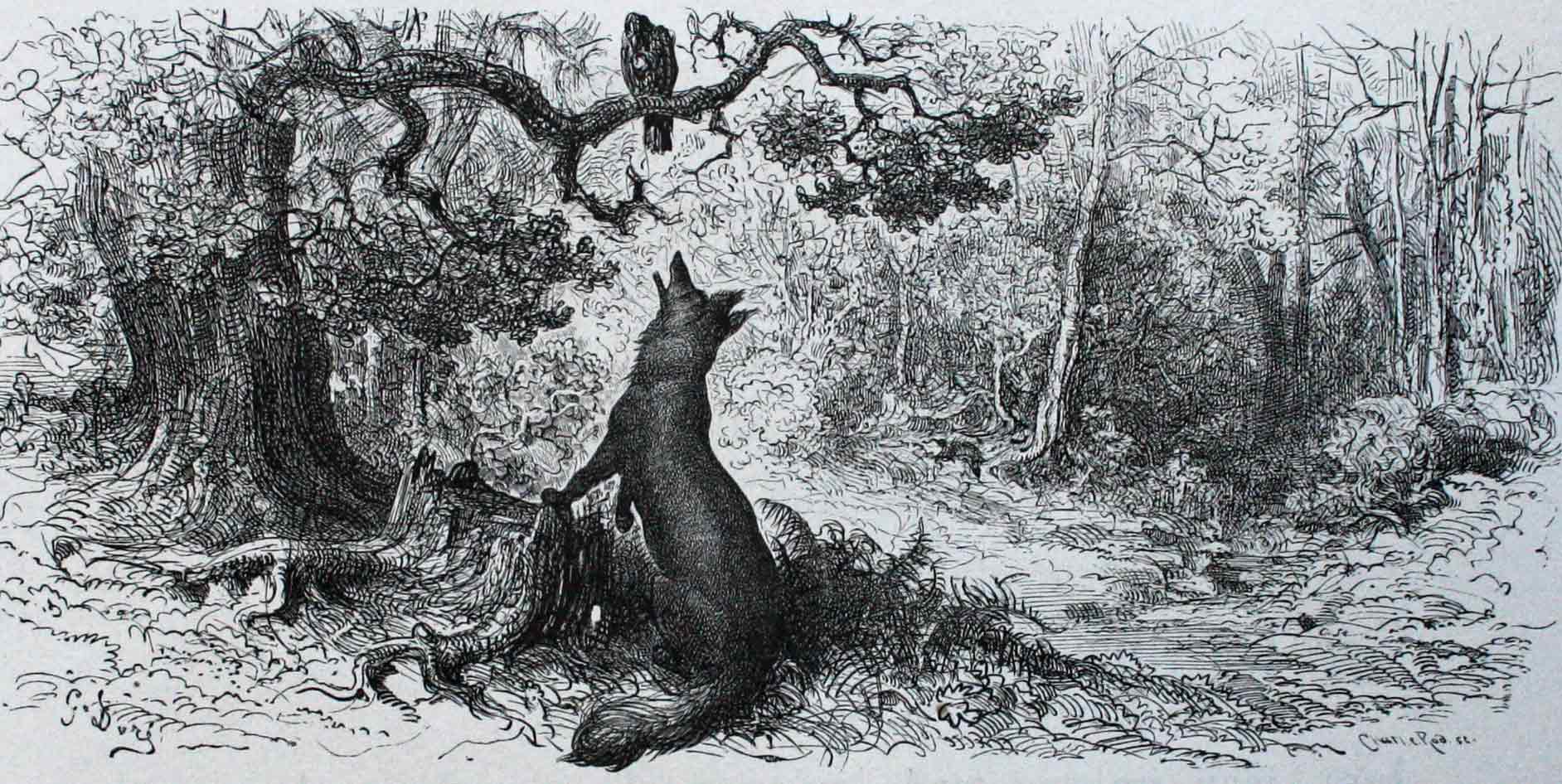
Gustave Doré, le courbeau et le renard

Diego Vélazquez, Aesopus
Jean
de la Fontaine: Franse dichter beroemd om zijn fabels (geïllustreerd door o.a. Doré, zoals boven) waarin dieren net als bij
Aesopus zeer menselijk worden neergezet.
(Waar kennen we dat van...). De fabel van de vos en de raaf wordt al door Aesopus verteld.
Persingen: `het kleinste dorp van Nederland' in de Ooijpolder bij Nijmegen.
op n luiaardess
n luiaardess -nu kunsthistorica-
verklaart r vertrek uit de horeca:
`mn fout was bij `uitspanning' erop te rekenen
dat t geen inspanning zou gaan betekenen'
en tijdens college aan kunstkopiekatten
vermag ze de stof losjes samen te vatten:
`uit vlaanderen, nederbourgondische rijk?
-ns eventjes zien: de familie van (d)(e)yck'
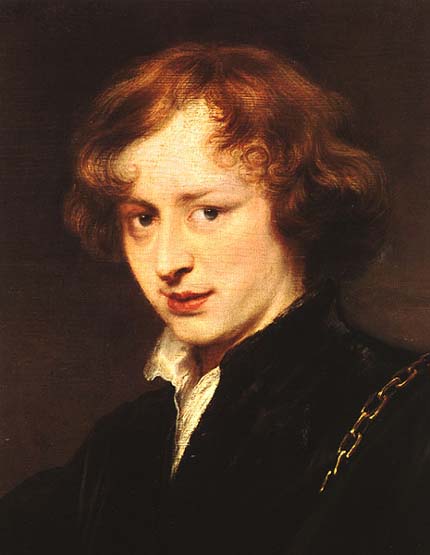
Anthony van Dyck, zelfportret

gebroeders van Eyck, Gentse altaarstuk
copycat: naäper
op n kraanvogel
n kraan uit krimpen aan de lek
vervoert gelaten in zn bek
de hele kathedraal van gaudi
terwijl i zucht `weet u k sjouw die
om n spons die met m wassen
barcelona wou verrassen
flink is -voelt u op uw klompen-
in de hitte i gekrompen
de stad rest slechts n hologram
en ik moet naar madurodam'
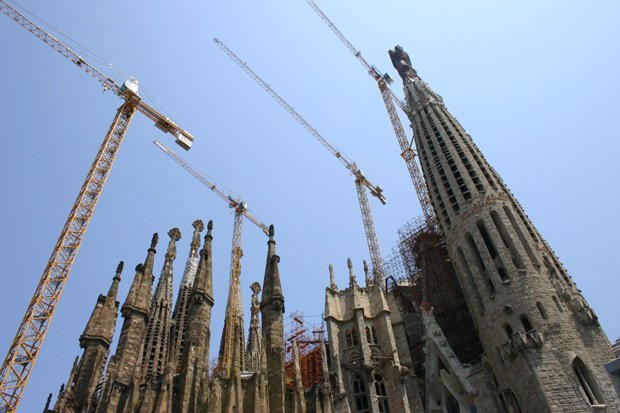
Antoni Gaudí, Sagrada Família (eigen foto)
Kraan betekent ook kraanvogel; spons betekent ook sponsdier.
op n jaguar
jan jaguar reet rond nieuwjaar
met klauwen als staal n vuillard
volledig aan flarden
-de nogal verwarde
vandaal kreet: `wiens schuld? niet de mijne!
t leken net echte gordijnen!'
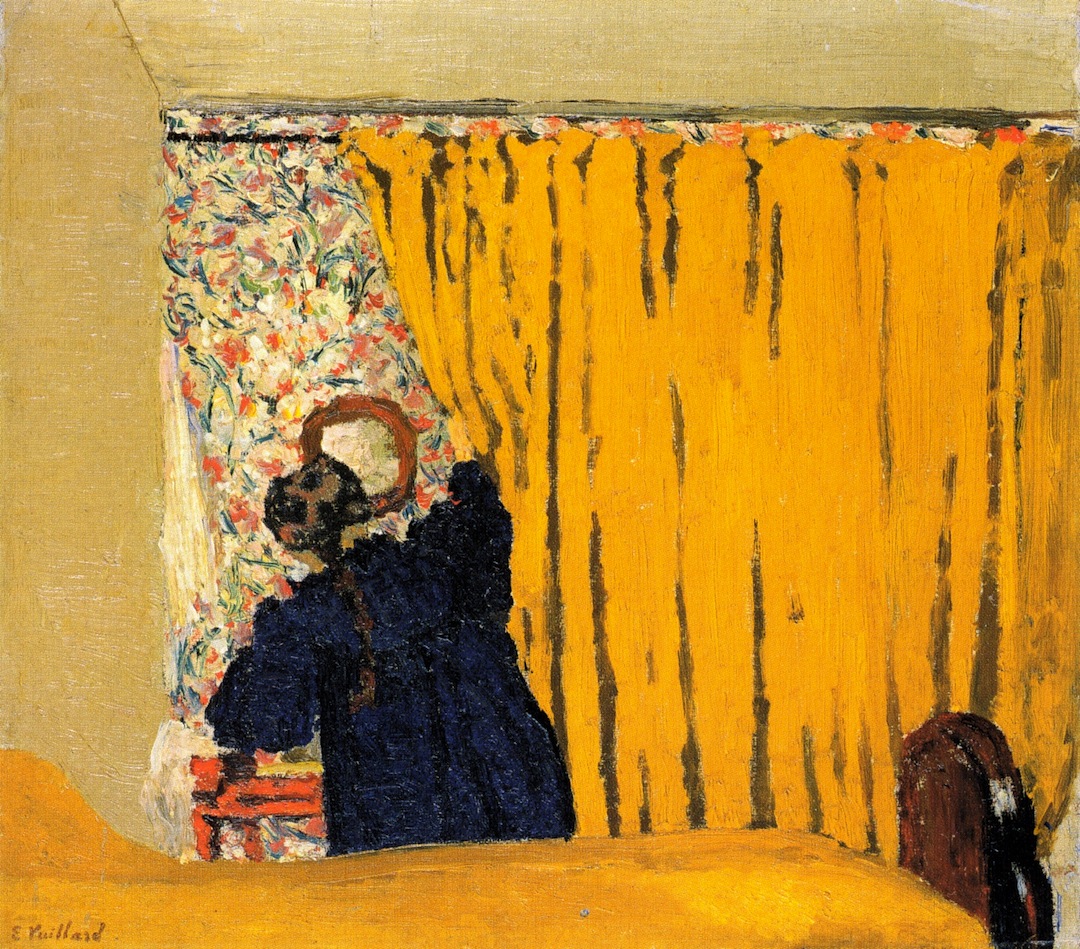
Édouard Vuillard, het gele gordijn
(te zien in de onvolprezen National Gallery of Art,
Washington).
op n arend
toch tennisnieuws in nederland:
de alpenarend federhand
is bijna in de cel beland
nadat i nogal aangebrand
in t rijks n bal sloeg, extra fel
pal op de kop van rafael
maar roger zei dat t m speet
`als haren op mn verenkleed'

Rafaël, zelfportret
Roger Federer en Rafael Nadal: tennisrivalen.
Afbeeldingen en teksten © Franka Waaldijk 1982-2019, tenzij anders aangegeven. Met correcte toeschrijving is sharing op social media (waaronder websites en blogs) toegestaan voor persoonlijke niet-commerciële niet-politieke doeleinden. Een uitzondering hierop geldt mogelijk voor afbeeldingen van werk van kunstenaars die niet meer dan 70 jaar geleden zijn overleden. Zelf gebruik ik deze afbeeldingen onder fair use, maar dat is niet zonder meer overdraagbaar. Voor de foto's (van dieren of andere onderwerpen) geldt vaak een copyleft-licentie, meestal CC-BY-SA 3.0. Behalve naamsvermelding van de fotograaf is ook het noemen van de licentie (met een link naar de volledige tekst) een voorwaarde voor hergebruik. Van sommige foto's kon ik zelfs met veel moeite niet de bron achterhalen. Mocht je van mening zijn dat ik een foto ten onrechte gebruik, of onvoldoende verwijs naar de maker, neem dan contact op. Klik voor privacy beleid.

